You walk into a house for the first time and before you've clocked the kitchen cabinets or the dodgy patch of wallpaper near the stairs, your nose has already filed a report. Old. Warm. Slightly damp. Lived-in. Unloved. You describe it as a feeling, maybe an atmosphere, maybe just a vibe. But it isn't a vibe – it's chemistry. Your nose is running a full structural and historical analysis of the building, and reporting back in a language you've never been taught to read.
How long does off-gassing last in a new build?
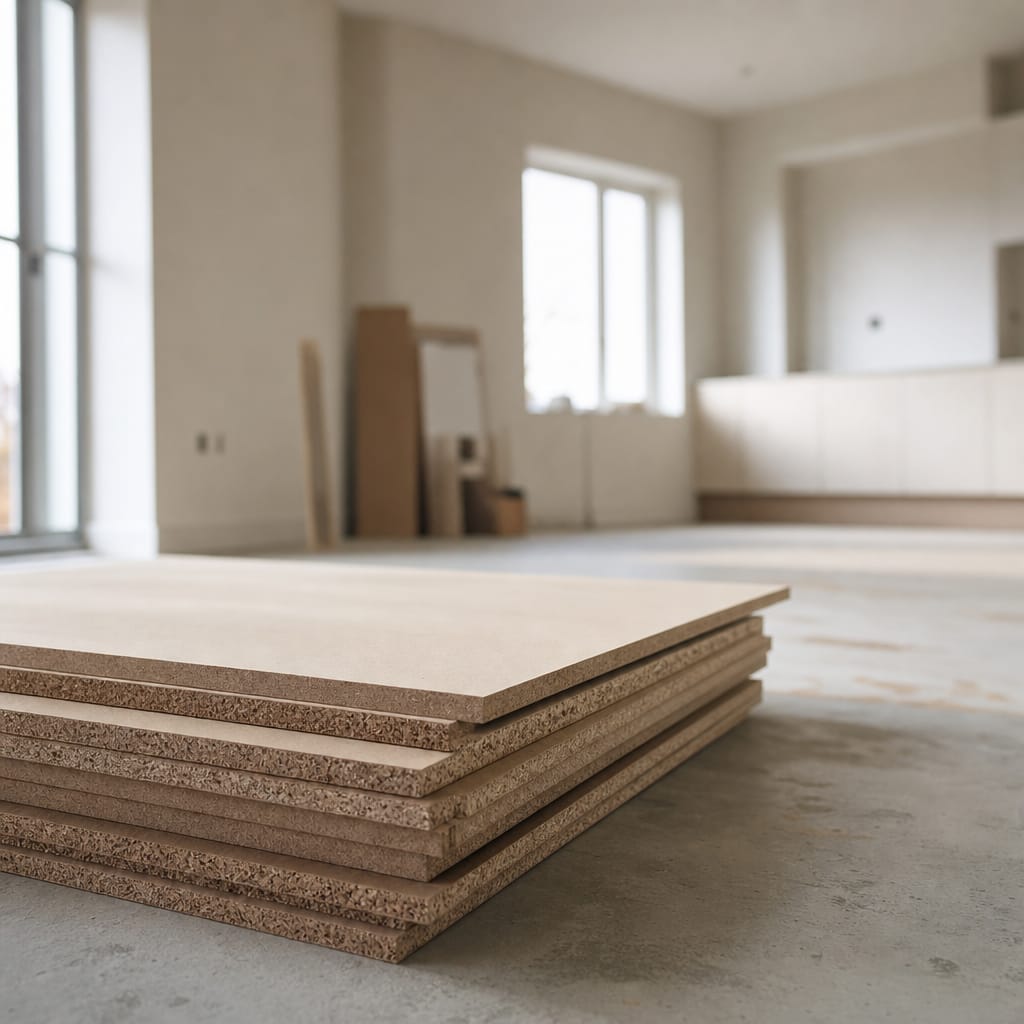
That sharp, faintly chemical scent in a newly built or freshly renovated home has a name: off-gassing. When materials like MDF, laminate flooring, gloss paint, adhesives and foam insulation are new, they slowly release volatile organic compounds – VOCs – into the air. The biggest culprit is usually formaldehyde, which bleeds out of particle board and certain finishes for months, sometimes years, after fitting. It isn't dangerous in the quantities a well-ventilated home produces, but your nose catches it immediately. What you're smelling is essentially the building still in the middle of becoming a building – a slow chemical exhale that tapers off as the materials cure and settle.
The peculiar freshness of new concrete is different. Concrete smells clean and faintly mineral because it genuinely is reacting – the calcium silicate in the mix is still hydrating, binding, hardening. That scent fades once the curing process finishes, after which concrete mostly just smells of whatever moisture passes through it.
The Older the House, The More It Has to Say
Old houses have a richer vocabulary. The warm, faintly sweet mustiness most people recognise as "old house smell" comes largely from geosmin and related compounds produced by bacteria breaking down organic matter – think old timber, plaster, dust, paper. Books and old magazines release similar compounds as the cellulose in the paper oxidises over time. That's why secondhand bookshops smell like they do: it's called "paper degradation," and it's been going on since the day the paper was made.
Aged wood has its own contribution. As lignin – the compound that stiffens plant cell walls – breaks down slowly over decades, it releases a family of molecules called aldehydes, giving old furniture and timber beams their particular vanilla-adjacent warmth. It isn't metaphorical to say a Victorian house smells different from a 1970s one. The chemistry is different. The molecular biography of the materials is different.
What does a damp smell actually tell you?
Here's where your nose earns its keep as a diagnostic tool. A sharp, earthy smell that intensifies when the heating comes on usually means damp in the walls or beneath the floor – mould produces a distinctive set of compounds called microbial VOCs that your nose is surprisingly good at detecting even at low concentrations. A faint sweetness in a kitchen or utility room can mean a slow gas leak (which is why mercaptan, a deliberately pungent sulphur compound, is added to natural gas – the gas itself is odourless). Rotting timber, depending on the fungus involved, can smell anywhere from faintly musty to something disturbingly close to mushrooms.
None of this requires a specialist to notice. It just requires paying attention to what your nose is already telling you instead of writing it off as atmosphere. The house is describing itself to you in organic chemistry. You've been fluent all along.
Questions this raises
- Are VOCs from new flooring harmful to health?
- Can you get rid of a musty smell permanently?