
Somewhere in a meeting room with no windows and very strong coffee, a small group of people are deciding what your living room will look like in three years' time. You haven't heard of them. They haven't heard of you. And yet the two of you are, without any formal introduction, going to end up agreeing completely on sage green.
Meet the Colour Forecasters
These are colour forecasters. They're the quiet engine behind every "I just felt drawn to it" moment you have ever had in front of a paint display.
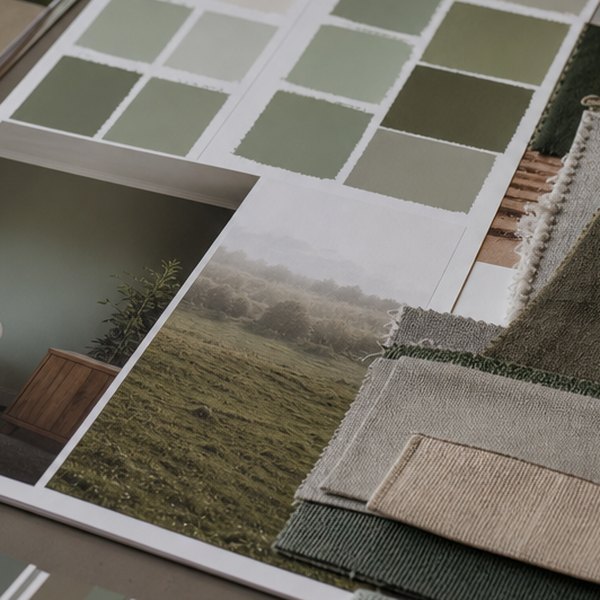
Their job is genuinely odd and genuinely fascinating. They don't guess – or rather, they guess systematically, which is something different. A forecaster might spend a day reading sociological reports about post-recession nesting behaviour, then the afternoon at a street fashion archive, then the evening scrolling through what architects in Seoul and Copenhagen are reaching for. They're looking for a mood. A collective emotional need that's just starting to gather at the edges of the culture. After the financial crash, that need turned out to be warmth and simplicity, and suddenly grey was everywhere. During the pandemic years, it was biophilia – the quiet longing for anything that felt like being outdoors – and the walls of Britain went quietly, inexorably green.
When does a forecast colour reach the paint shelves?
The forecasters write their findings up into trend reports: thick documents full of fabric swatches, photography, cultural context and proposed colour palettes. None of which are cheap. None of which are public. Paint manufacturers license them, usually two to three years ahead of when the colours will actually reach shelves. Formulations are adjusted, ranges are built, marketing language is drafted. Then the shade gets a name – "Sage Whisper", "Quiet Earth", something that tells you what to feel before you have felt it.
Then it filters down further. Magazines feature the colour in room sets. Soft furnishing ranges quietly shift to complement it. By the time a retailer stocks the cushions, the whole ecosystem is pointing in the same direction. For more on how colour trends travel from prediction rooms into the things you actually own, this piece on The Colour You're Wearing Was Decided Three Years Ago covers the full journey.
And then you walk into a DIY shop on a Saturday, pick up a paint chip, and feel – and without any sense of being managed – that this one is you.
Why You Are Not Wrong to Like It
The strange thing is, you're not wrong. The forecasters didn't make you want that colour. They read the same cultural moment you were already living inside, just earlier than you did, and they gave the feeling a hex code. What you experience as instinct is more like recognition. You and the trend report landed on the same answer independently, because you were both reading the same world.
That's not manipulation. It's more like weather forecasting. The rain was already coming. Someone just checked the pressure first.
Questions this raises
- How often do colour forecasters get it wrong?
- Does the paint industry follow or lead these forecasts?
- Why do trend colours all look slightly muted now?