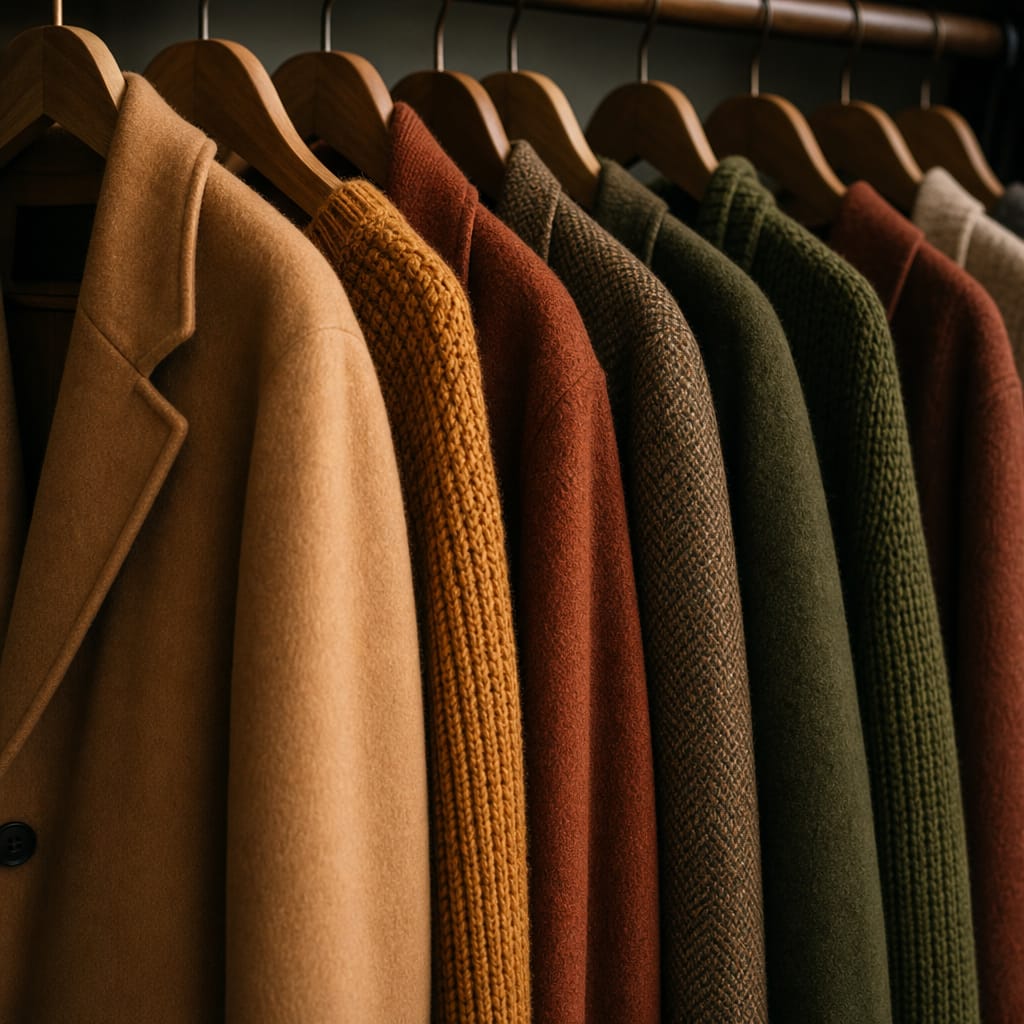
Somewhere around late September, something happens to your wardrobe. The mustard yellow jumper you've been ignoring since March suddenly looks exactly right. The rust-coloured coat you thought was a mistake gets pulled out and worn three days running. You tell yourself you're just updating for autumn. What you're actually doing is obeying a very old instruction from inside your own skull.
How far ahead do fashion brands plan a collection?
The fashion industry works roughly nine months ahead. The coats you're browsing in October were sketched last winter, sampled in spring, photographed in summer, and delivered to rail by August. That looks like pure commercial machinery, and in one sense it is. But the window turns out to be an almost perfect match for something biological – something that has nothing to do with commerce at all.
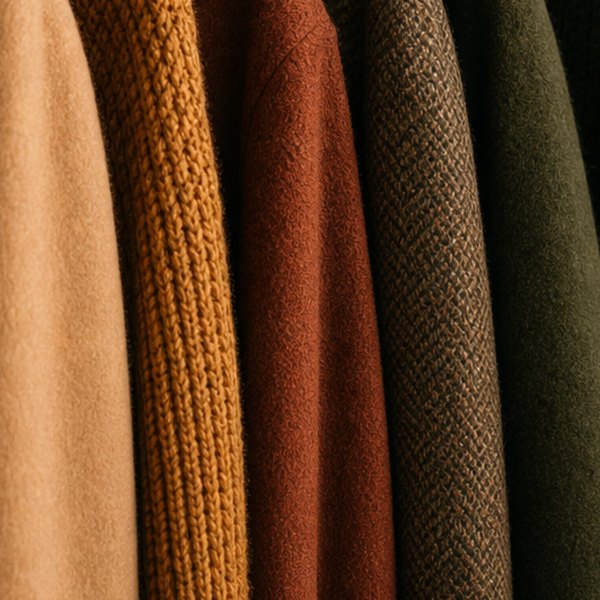
As day-length drops through the year, the photoreceptors in your retinas – specifically the cells that carry a protein called melanopsin – respond to shorter light exposure by subtly narrowing what your nervous system finds pleasing. Warm, low-saturation tones. Weight and texture rather than lightness. Narrower silhouettes that feel closer and more contained. Your brain is doing what mammal brains have always done as the season tips: pulling inward, conserving, going quieter.
By the time October's rail is in front of you, your melanopsin has already been at work for weeks. The camel, the rust, the forest green – they feel right because your perceptual system has been drifting toward exactly that palette since the evenings started drawing in. Fashion didn't create that preference. It just kept very good, accidental time with it.
The Season That Was Never Really Invented
People talk about "fashion seasons" as if they were a fairly cynical commercial construct, a way to make last year's perfectly good coat feel dated. And yes, obviously, commerce is present. But the underlying structure – two major rotations per year, timed to the solstices – maps so closely onto the light-driven shifts in human mood and sensory preference that it's hard to dismiss as pure invention.
Summer collections track exactly the period when high UV exposure lifts serotonin, broadens colour tolerance, and makes your eye more comfortable with saturated, lighter, more expansive shapes. Winter collections land when the reverse is true. Reduced light. A narrower palette. A genuine neurological appetite for texture and warmth. The industry didn't design that. It evolved into sync with it, collection cycle by collection cycle, then locked the calendar in.
Do shorter days change which colours we prefer?
When something feels "just right" in October – a particular weight of wool, a shade of dark olive, a coat that feels more enclosed than last spring's options – that isn't aesthetic instinct operating in a vacuum. It's a biological signal that has been running on your nervous system's seasonal clock since well before anyone was selling you anything. Fashion, for all its noise, has mostly been clever enough to stay in step.
Questions this raises
- Why do we crave brown and rust in autumn?
- Is seasonal colour preference backed by actual research?