Next time you're walking through a wood and the birds suddenly stop, don't mistake it for nothing. That silence has a shape. It travels. And every creature within earshot just read it.
Most of us experience the hush as vaguely eerie, a background thing, and then carry on crunching through the undergrowth. But what's actually happened is that the woodland just broadcast a message at speed – and you were probably the one who triggered it.
Do different species understand each other’s alarm calls?
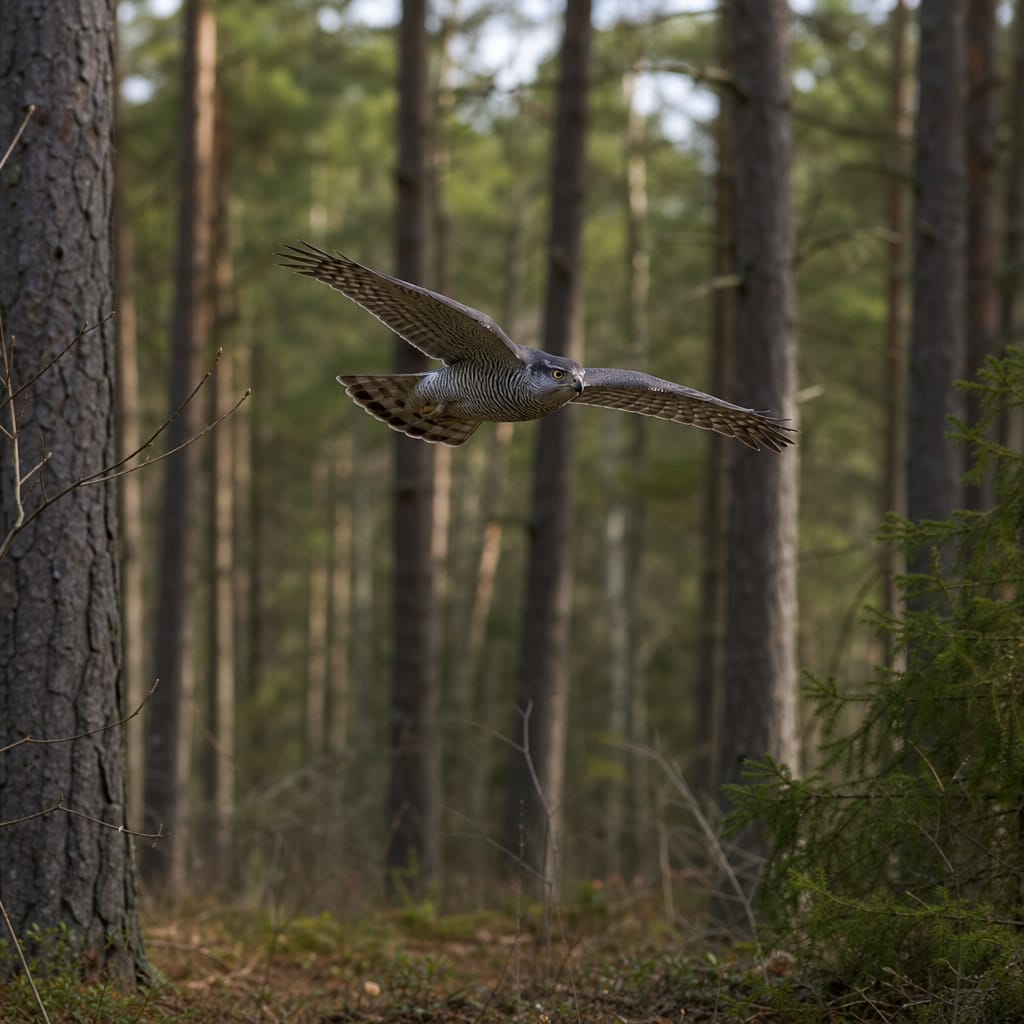
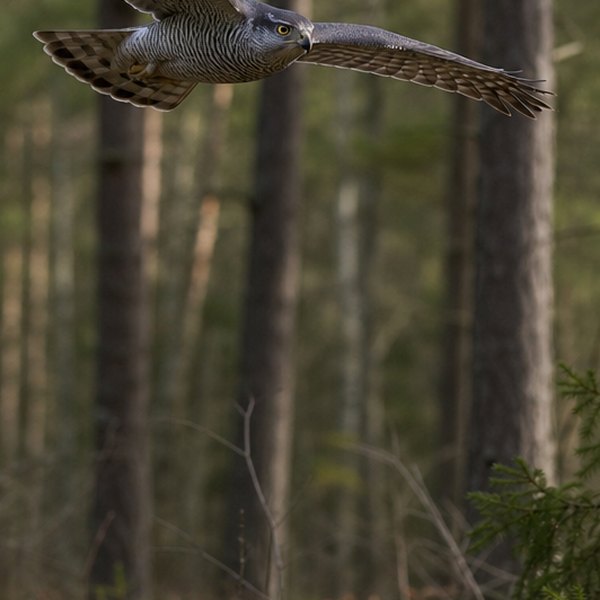
Birdsong isn't decorative. It's the baseline, the sound of a wood saying everything is fine. The moment something feels wrong, a bird stops singing. Not all at once, but in sequence, species by species, from the point of disturbance outward. A sparrowhawk skimming low through the trees creates a wave of silence that moves faster than the hawk itself. Each bird that hears the alarm call of its neighbour shuts up before it can even see the threat.
Naturalists sometimes call the shape this leaves an "acoustic shadow" – a spreading cone of quiet with the danger at its centre. If you stop walking and pay attention, you can actually work out roughly where the disturbance is coming from, just by noticing which direction the silence seems to be arriving from. Most people have this ability and have never once used it.
What Each Species' Silence Tells You
It's not all the same hush, either. Robins and wrens tend to drop out first, and their alarm calls (when they do call) are thin, high-pitched, and surprisingly hard to locate. Which is the entire point, since a call that gives away your exact position is a bad idea when there's a hawk about. Larger birds like blackbirds often give a loud, chattering scold instead of going quiet – which means the threat is ground-level. A fox or a cat, something that can be mobbed rather than fled.
Woodland animals have been reading these distinctions for longer than we have. Deer will lift their heads and stand motionless in response to a blackbird's alarm chatter a good thirty seconds before they can smell or see anything. They're not reacting to the predator, they're reacting to the bird's reaction. The whole system is layered, one species borrowing another's nervous system.
Can you walk through a wood without triggering alarm calls?
The frustrating thing is that most woodland walks are acoustically invisible to us because we're the ones making all the noise. The silence we create follows us like a moving blind spot – walk in, everything hushes; walk out, it starts again behind you.
But stop. Stand still for five minutes after you arrive somewhere and let the wood forget about you. The birdsong that gradually switches back on around you isn't background music. It's the forest's all-clear signal, working outward from the safest points. You're being read back into the landscape as harmless.
Which is a strange and rather lovely thing to notice on a Tuesday afternoon.
Questions this raises
- How far does a bird alarm call travel through woodland?
- Why do birds stop singing when people walk past?