Ask most people what VAT-exempt means and they'll assume it's the good news version – no tax, sorted, everyone's happy. It isn't. And the gap between "exempt" and the thing that actually means no tax, which is "zero-rated", quietly costs British schools, tutors, and training providers a small fortune every single year.
Here's the distinction, because it genuinely matters. A zero-rated business – think most food, children's clothing, books – charges no VAT on what it sells. But it can still claim back all the VAT it pays on everything it buys. A printer, a delivery van, a new office: the VAT on all of it comes back from HMRC. An exempt business is different. It also charges no VAT on its services, so learners don't pay tax on their lessons, which sounds like a win. But because it sits outside the VAT system entirely, it cannot reclaim a single penny of the VAT it pays out.
The Twenty Percent Nobody Mentions
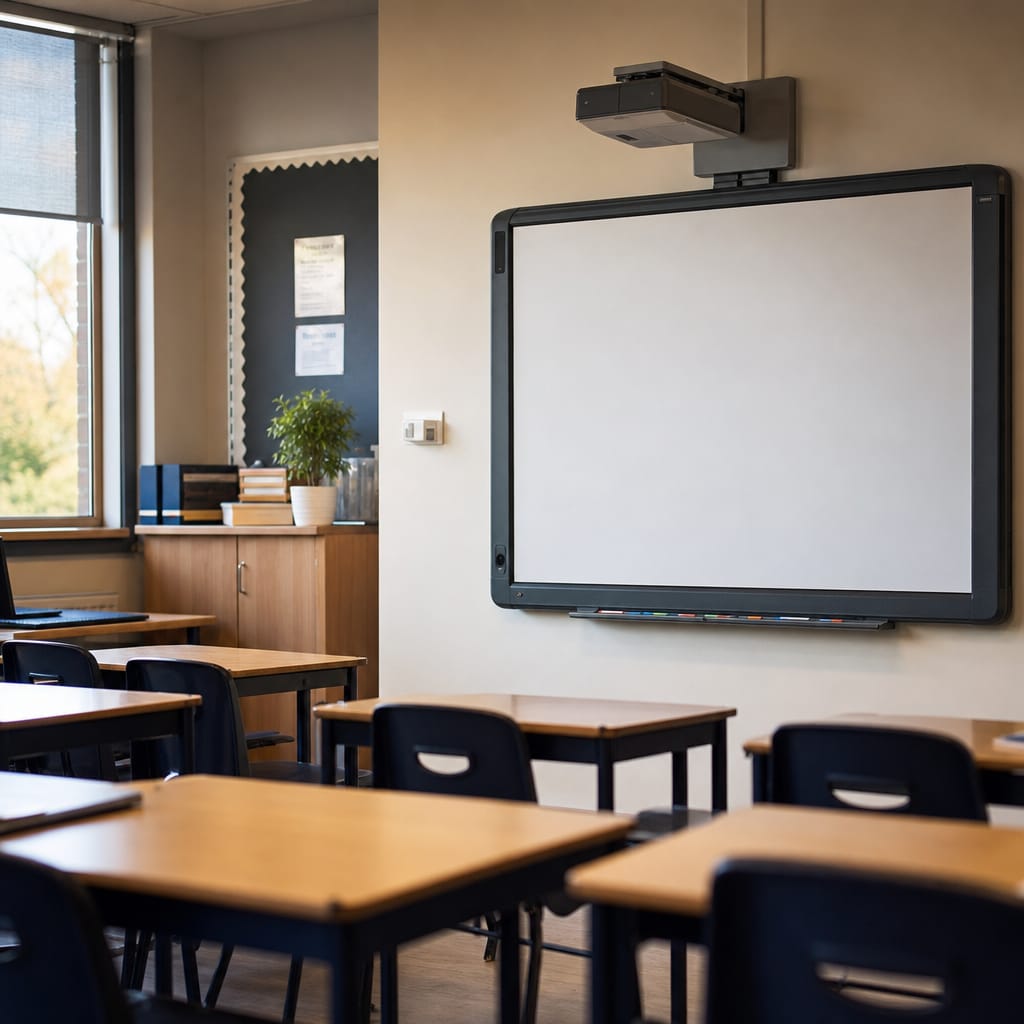
Education in the UK – schools, universities, most private tutors, most vocational training – is classified as VAT-exempt. Which means every whiteboard a school orders, every laptop a college buys, every time someone comes to fix the boiler: all of it arrives with a 20% surcharge baked in that never comes back. An ordinary business paying £1,000 for IT equipment effectively pays £833 after reclaiming the VAT. A school pays the full £1,000 and keeps paying. Multiply that across an entire estate of buildings, equipment, and running costs, and the number gets uncomfortable.
This was never the intention, exactly. The exemption exists to protect learners – to make sure education itself isn't taxed. The irony is that in doing so, it taxes the institutions providing it by stealth, through every purchase they ever make.
How does partial exemption work for a training provider?
The rule has some genuinely odd edges. If a business is mostly exempt but does a small amount of taxable activity on the side, it enters the peculiar world of "partial exemption", where it can only reclaim VAT in proportion to how much of its income is taxable. A gym that runs fitness classes alongside a café has to do sums. A language school that sells textbooks has to do sums. What percentage of last Tuesday's revenue came from the lessons versus the jerk-spiced quesadillas?
What Actually Changes Because of It
This isn't abstract. Schools buying equipment think hard about whether they really need it, because there's no VAT relief softening the blow. Training providers running courses on thin margins sometimes drop the ones that don't cover costs – not because the course was bad, but because every overhead hits them harder than it would hit a regular business.
The exemption that was drawn to protect the learner ends up, in a small but persistent way, making everything around the learner slightly more expensive to provide. An obscure line in HMRC's manual, doing its quiet work.
Questions this raises
- Can an exempt school register for VAT voluntarily?
- Why are private school fees now charged VAT?
- Does a self-employed tutor need to worry about VAT?