Walk into any half-decent ironmonger's in Britain and ask for timber by the metre. Fine, no problem. Ask for it in feet and inches and you'll probably get a nod, a pencil mark on the wood, and the same plank. The person behind the counter didn't switch measurement systems – they just switched languages, and they've been bilingual their whole working lives.
That bilingualism is a clue to something genuinely odd about British commerce: for about sixty years now, the country has been officially metric and practically something else. Nobody's entirely embarrassed about it, either.

A System Built From Human Bodies and Horse Muscles
To understand why, you have to understand what imperial actually was. Not a random muddle of old units – a measurement system optimised for real physical transactions before paper was cheap and accountants were everywhere.
The furlong – literally a "furrow-long" – was the distance an ox could plough before needing a rest. That made it the natural unit for dividing a field into workable strips. Acres followed from that: the amount one man with one ox could plough in a day. The hundredweight (112 pounds, not 100 – which always causes raised eyebrows) was fixed partly around what a porter could carry, but also because 112 divides cleanly into shillings, pounds, and the old wholesale pricing structures. These weren't arbitrary. They were engineered around the slowest, most important bottleneck in pre-industrial trade: human and animal labour.
The dozen-and-gross system is the best example. Twelve divides by two, three, four, and six without a remainder. A gross is twelve dozens. So traders splitting goods among partners – without a calculator, without paper, and often without full literacy – could do the maths in their heads on a market stall in 1650. Try doing that with ten.
Why Metric Won the Institutional Argument
Metric is a genuinely different philosophy. It wasn't derived from human actions at all – the original metre was defined as one ten-millionth of the distance from the equator to the North Pole, which is a magnificent thing to anchor a business system to if you think about it. Metric is the Earth's geometry applied to a market stall.
And for industrial trade, it wins decisively. Multiply and divide by ten, every time, no exceptions. For engineering tolerances, international invoicing, scientific procurement – the arithmetic almost does itself.
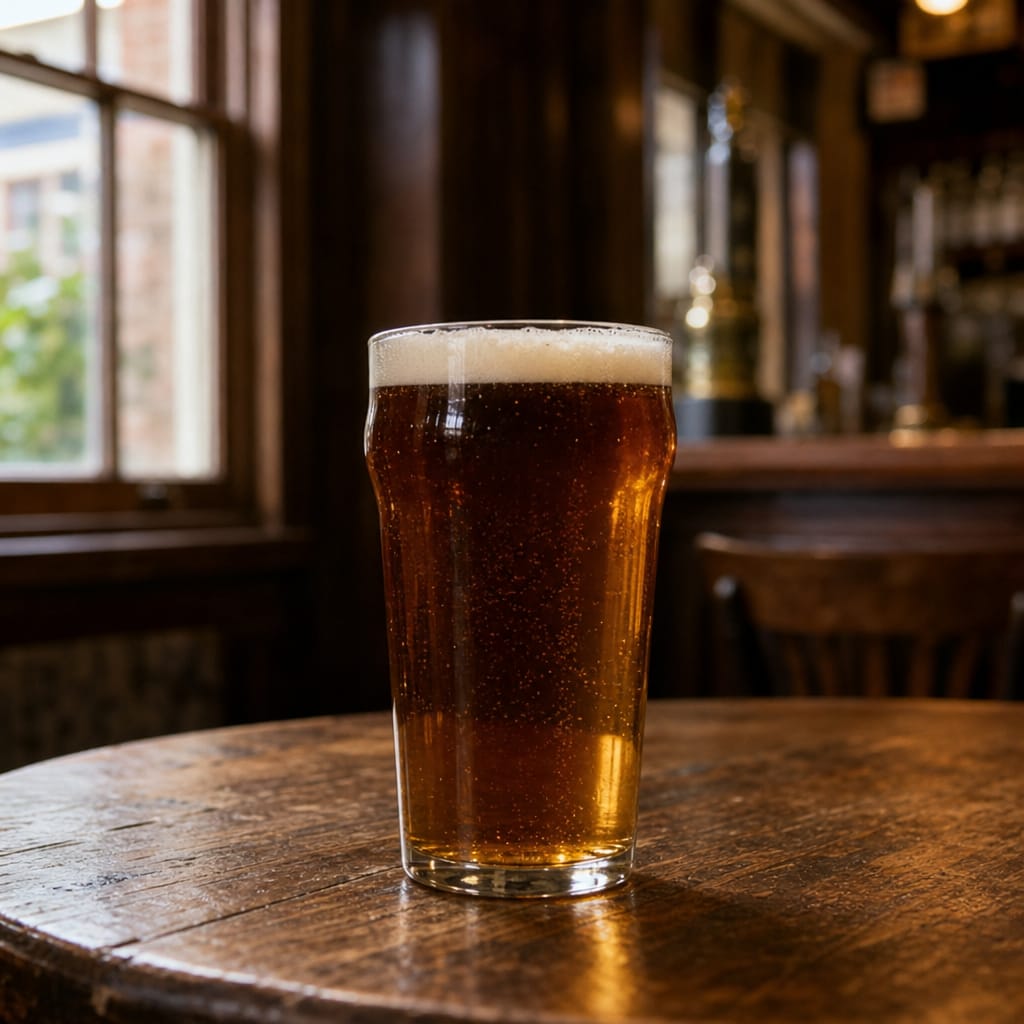
Why does Britain still sell beer in pints?
So metric took over the institutions: schools, hospitals, official contracts, cross-border trade. Imperial quietly stayed on in the places institutions don't fully reach. Pints in pubs. Miles on road signs. Stone and pounds at the GP. Feet and inches when a builder is judging whether a sofa will fit through a door.
British business runs both systems simultaneously, and here's the interesting bit: this isn't really confusion. It's a fairly rational split. Metric handles the formal and the international. Imperial handles the human-scale and the conversational – which is, when you think about it, exactly what it was always designed for.
Questions this raises
- Is it legal to price goods in pounds and ounces?
- When did the UK officially go metric?
- Which imperial units survived in British law?