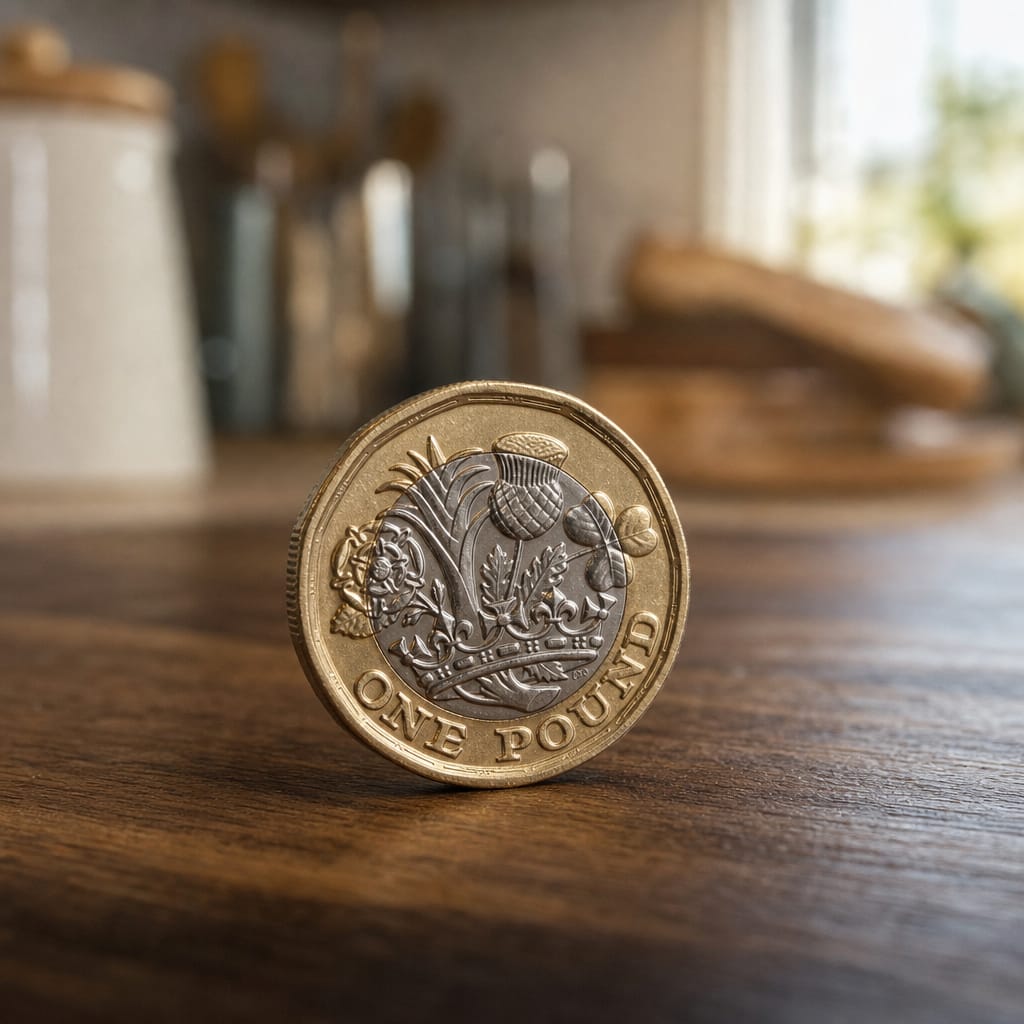
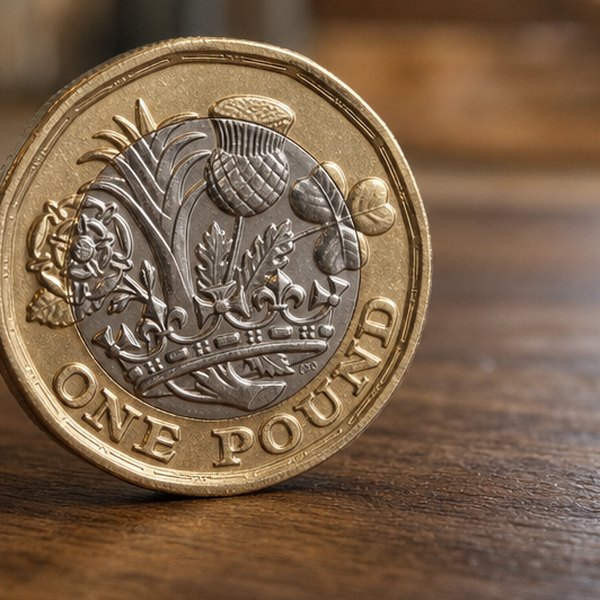
Pick up a pound coin. Solid, isn't it? Satisfying weight, bimetallic rim, a little king on one side. Feels like a fixed thing. A pound is a pound. Except it absolutely, demonstrably, is not.
How much value has the pound lost since 1971?
Follow that coin backwards and the floor keeps dropping. In 1971, when decimalisation arrived and the modern pound took its shape, you could buy about twelve pints of milk with one. By 1990 you were down to four. Today you're somewhere around two – depending on the supermarket and whether you have a loyalty card they can harvest your data with. The coin hasn't changed much. The number on the label hasn't changed. What changed is what the number actually means.
What Inflation Is Actually Doing
This is the thing inflation is really doing, and it's stranger than the price-rise story we usually tell about it. Prices going up is just the visible symptom. But the underlying condition? That's the pound itself being quietly, continuously redefined – not by any single decision, not by a rogue government printing money in a panic (though that accelerates it), but by a slow collective renegotiation of what a number is worth. Every transaction, every wage negotiation, every mortgage calculation is a tiny vote on what a pound means today. The Bank of England's job isn't really to control prices. It's to manage the belief that the number still means something.
And that belief is surprisingly fragile, which is why central banks treat it so carefully. When inflation ran at over 25% in Britain in 1975, it wasn't just that bread cost more – people stopped trusting the unit entirely. Wages were demanded weekly because a monthly paycheck lost real value between payday and the shops. That's not economics gone wrong. That's the social contract around money briefly coming unstuck. The pound becomes worth less when enough people act as though it is worth less, which means inflation is, in a genuinely odd sense, partly a confidence trick that works as long as everyone keeps believing in it.
Why is the inflation target set at 2 per cent?
Target two percent inflation and you're not aiming for stable prices – you're aiming for a slow, predictable, manageable rate of belief-erosion that people can plan around. A little inflation is actually the system working. It gently nudges people to spend and invest rather than sitting on cash that shrinks. Zero inflation sounds appealing until you realise it means nobody is quite sure whether the number is moving at all, and uncertainty does far more damage than a steady, boring two percent.
The pound in your pocket is more like a consensus than a coin. Heavy, yes. Fixed, no.
Questions this raises
- What actually causes inflation?
- Does the Bank of England control prices directly?